What is Methylcobalamin?
Vitamin B12 exists in several forms, but Methylcobalamin is the only one that is active in the central nervous system. Unlike cyanocobalamin (the cheap synthetic version), Methylcobalamin does not require the body to remove a cyanide molecule to become active, making it the preferred choice for advanced clinical research.
In research settings, it is studied for its unique ability to cross the blood-brain barrier and its direct involvement in the synthesis of DNA and neurotransmitters.
⚗️ Key Research Facts
- Type: Active B12 Coenzyme
- Primary Role: Methyl Donor
- Target: CNS & Peripheral Nerves
- Benefit: Myelin Sheath Integrity
Mechanism: The Methylation Cycle
Methylcobalamin's primary biological job is to act as a cofactor for the enzyme **Methionine Synthase**. This enzyme is the heart of the methylation cycle:
- Homocysteine Reduction: It converts the toxic amino acid homocysteine into methionine. High homocysteine is a major research marker for cardiovascular and neurological disease.
- SAMe Production: Methionine is then used to create SAMe, the "universal methyl donor" that the body uses to turn genes on and off and build cell membranes.
Neurological Repair & Myelin
The defining area of Methylcobalamin research is **Nerve Regeneration**. It is essential for the production of phospholipids that make up the **Myelin Sheath**—the fatty insulation that allows electrical signals to travel along your nerves. Research indicates that high-dose B12 can help "re-myelinate" damaged nerves in models of peripheral neuropathy and multiple sclerosis.
Neuroprotection
Helps protect neurons from glutamate toxicity and oxidative stress in neurological research models.
Sleep Quality
Research suggests B12 helps regulate the production of melatonin, contributing to better circadian rhythm stability.
Metabolic Energy & RBC Production
While often called the "Energy Vitamin," B12 doesn't provide calories. Instead, it is a key component in the production of **Red Blood Cells (RBCs)**. Without enough B12, the body produces large, immature RBCs (megaloblastic anemia) that cannot carry oxygen efficiently to the tissues.
Research Protocols & Dosing
- Administration: Intramuscular (IM) or Subcutaneous injection.
- Research Dose: 1,000 mcg to 5,000 mcg per administration.
- Frequency: Typically administered 1–3 times per week.
- Side Effects: Extremely safe; excess B12 is water-soluble and excreted in urine. Rare site irritation may occur.
- Storage: Light-sensitive. Store in a cool, dark place.
Frequently Asked Questions
Is it better than Cyanocobalamin?
Yes. Methylcobalamin is the natural, active form. It is better retained in the tissues and is the only form that can be used directly by the nervous system for methylation and myelin repair.
Does it help with focus?
By supporting neurotransmitter synthesis (dopamine and serotonin), research indicates that correcting a B12 deficiency can lead to significant improvements in mental clarity and cognitive focus.
Where to buy Methylcobalamin in Canada?
Nūmira Peptides offers high-purity Methylcobalamin (1mg/10ml) for neurological and metabolic research. Shop B12 →
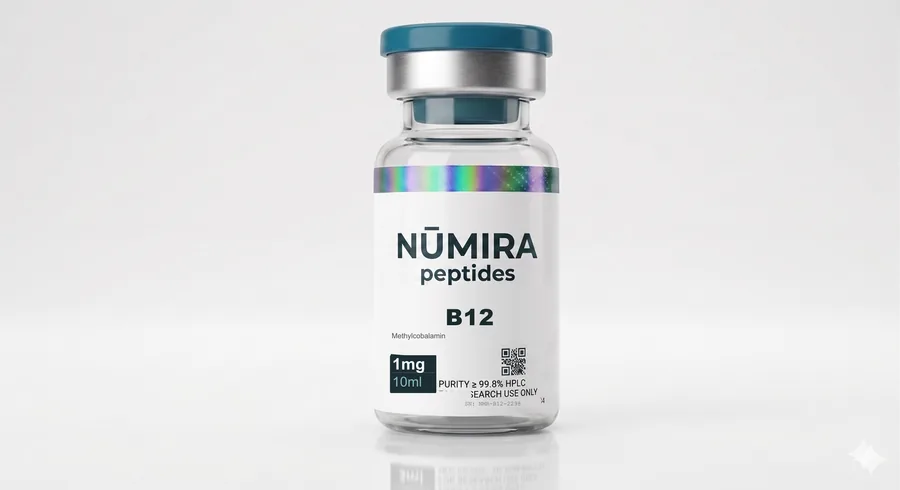
B12 (Methylcobalamin) — Research Grade
1mg/10ml Vial · Active Coenzyme · High Purity · Domestic shipping
Shop B12 →