What is LL-37?
LL-37 is a 37-amino acid peptide derived from a larger precursor protein called hCAP18. It is produced by many cells, including white blood cells and the cells lining our skin and lungs. It is one of the body's first lines of defense against infection.
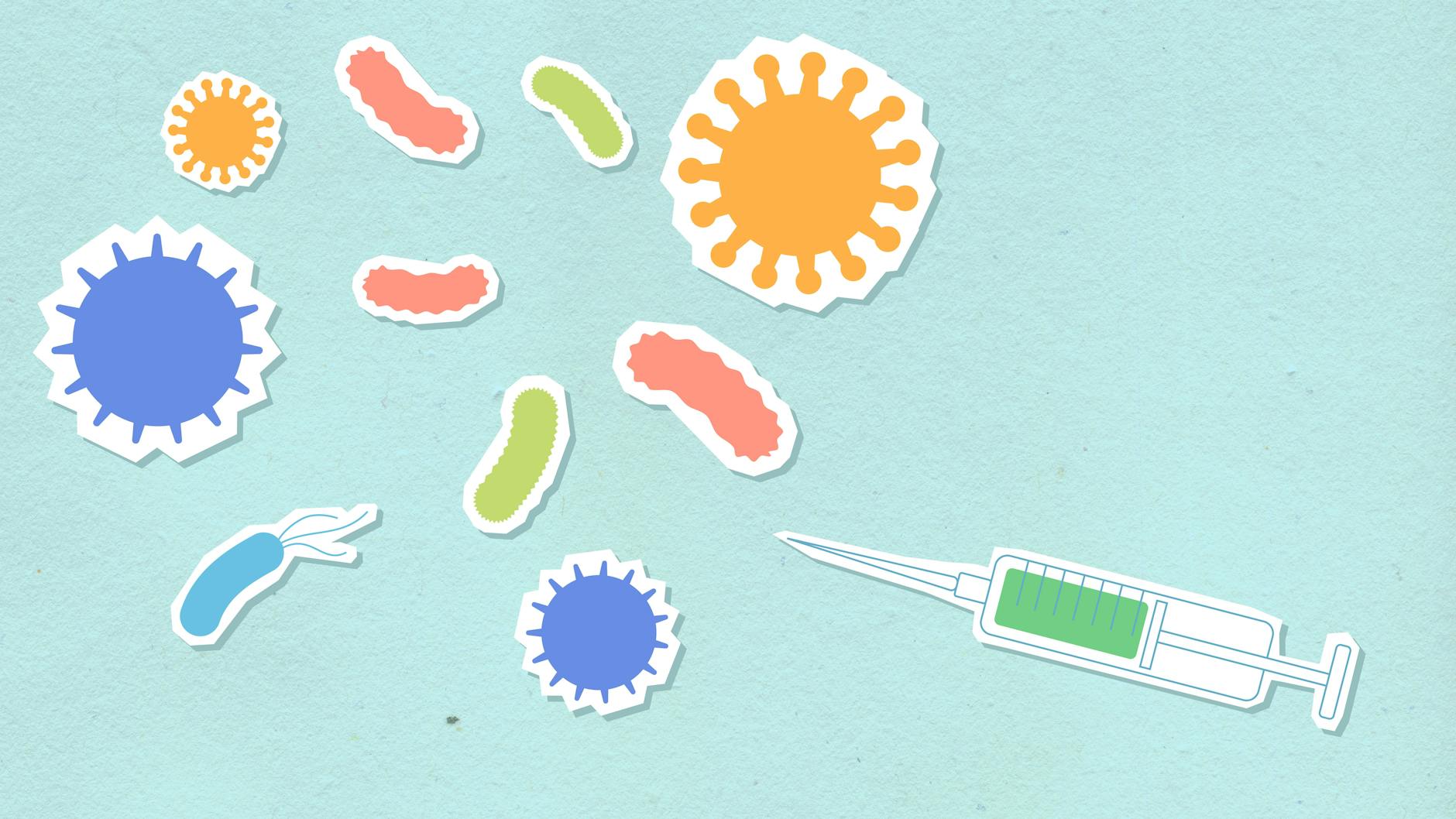
In scientific research, LL-37 is being studied as a potential solution to the global crisis of antibiotic resistance, as it kills bacteria through a physical mechanism that is much harder for microbes to evolve against.
⚗️ Key Research Facts
- Molecular Type: Human Cathelicidin
- Primary Goal: Broad-spectrum Antimicrobial
- Secondary Role: Immune Cell Recruitment
- Sequence: LLGDFFRKSKEKIGKEFKRIVQRIKDFLRNLVPRTES
Mechanism: Membrane Disruption
Unlike traditional antibiotics that interfere with a bacteria's metabolism, LL-37 works through **physical destruction**. Being "cationic" (positively charged), it is attracted to the "anionic" (negatively charged) surfaces of bacteria.
- Pore Formation: LL-37 inserts itself into the bacterial cell wall like a needle, creating holes (pores).
- Lysis: The internal contents of the bacteria leak out, and the cell collapses (bursts).
- Viral Inactivation: Research indicates LL-37 can also disrupt the lipid envelopes of certain viruses, neutralizing them before they can infect host cells.
Wound Healing & Angiogenesis
Beyond killing germs, LL-37 is a powerful "growth factor" for tissue repair. Research shows it stimulates the migration of **keratinocytes** (skin cells) and **fibroblasts** to the site of an injury.
New Blood Vessels
Promotes angiogenesis (the formation of new blood vessels), ensuring that healing tissue receives adequate oxygen and nutrients.
Endotoxin Neutralization
Binds to and neutralizes LPS (lipopolysaccharides), preventing the toxic over-inflammation often caused by bacterial infections.
Biofilm & Antibiotic Resistance
One of the hardest things for doctors to treat is a "biofilm"—a slimy protective layer that bacteria build to hide from antibiotics. LL-37 research has shown it can penetrate and dissolve these biofilms, exposing the bacteria and making them vulnerable to treatment once again.
Research Protocols & Dosing
- Administration: Topical (for wound research) or Subcutaneous/Intravenous (for systemic infection research).
- Research Dose: Highly variable; topical studies often use concentrations of 100 µg/mL to 500 µg/mL.
- Frequency: Typically administered daily for a 14–21 day protocol.
- Side Effects: Generally localized; redness or mild inflammation at the site of application.
- Storage: Lyophilized powder in the freezer. Reconstituted solution is stable for up to 14 days in the refrigerator.
Frequently Asked Questions
Does it replace antibiotics?
In research settings, LL-37 is often used in combination with traditional antibiotics. It "breaks the door down" by disrupting the membrane, allowing the antibiotic to enter and finish the job more effectively.
Is it good for skin health?
Research suggests LL-37 is crucial for preventing acne and other skin infections. However, over-expression of LL-37 has been linked to conditions like rosacea, highlighting the importance of precise regulation in research models.
Where to buy LL-37 in Canada?
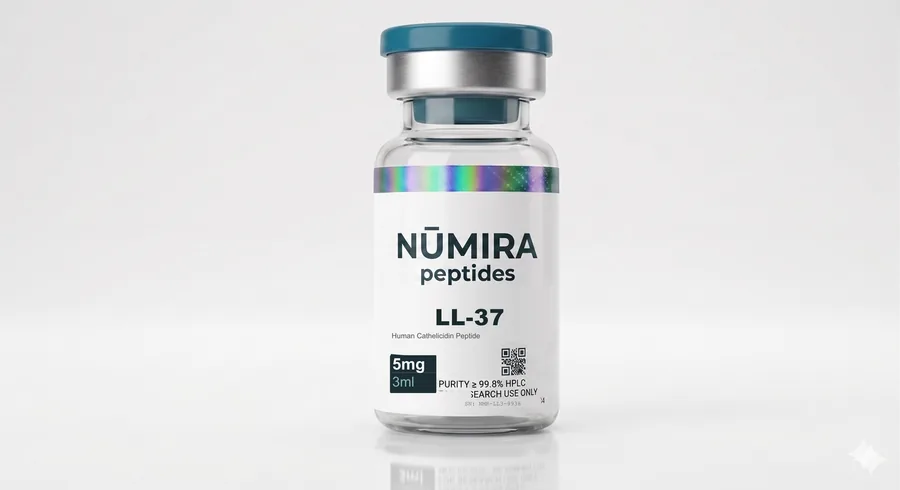
Nūmira Peptides offers laboratory-grade LL-37 for antimicrobial and immunology research. Shop LL-37 →