
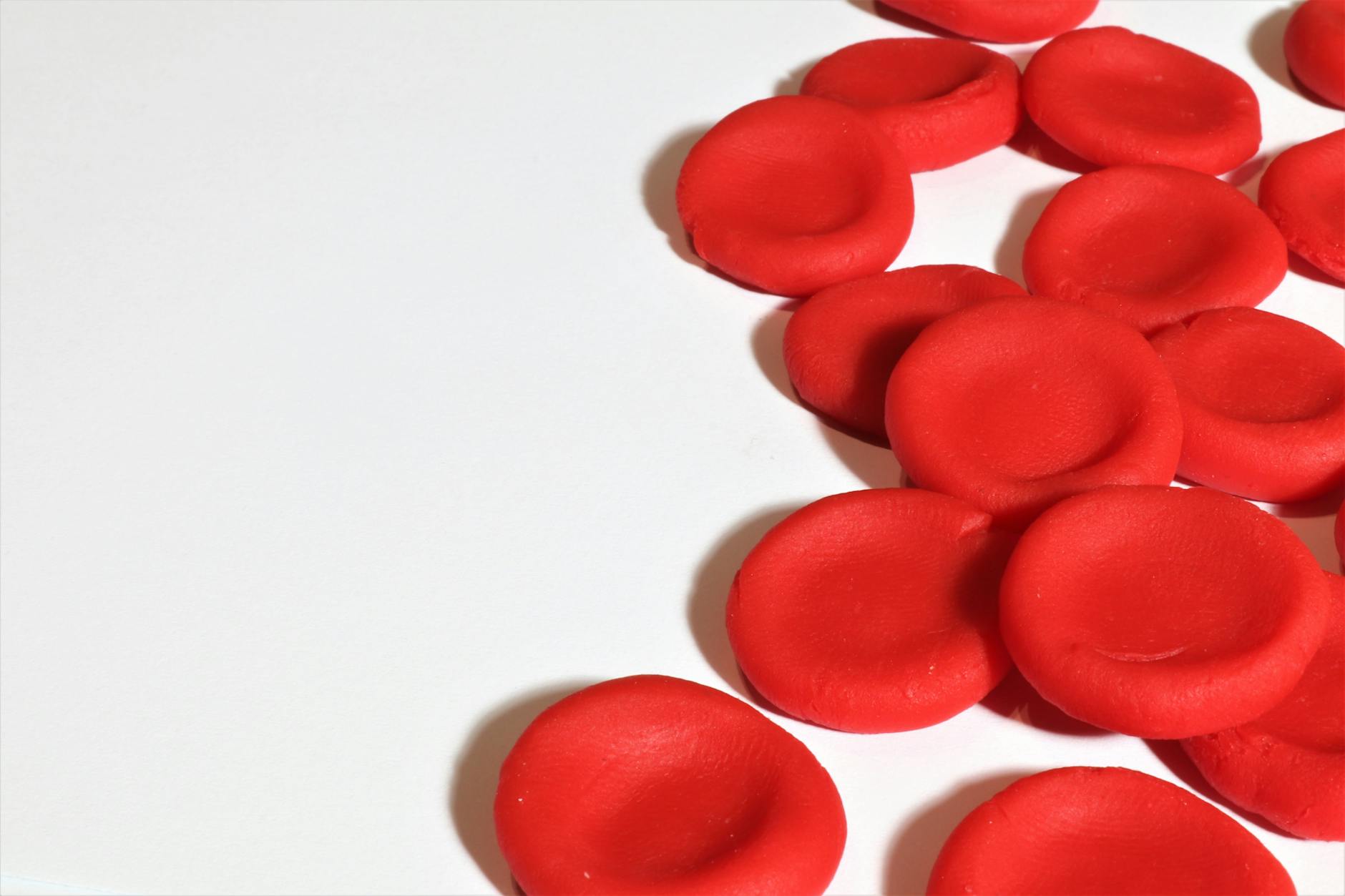
What is EPO?
Erythropoietin (EPO) is a cytokine hormone that controls the production of red blood cells. In the human body, it is released when the kidneys detect low oxygen levels in the blood. This signals the bone marrow to work harder. Synthetic EPO (Recombinant Human Erythropoietin) has been a cornerstone of medical research since its development in the 1980s.
In research, EPO is studied not only for its blood-boosting effects but also for its potential neuroprotective and cardioprotective properties, as EPO receptors have been found in the brain and heart.
⚗️ Key Research Facts
- Molecular Type: Glycoprotein Hormone
- Target Organ: Bone Marrow
- Primary Goal: Red Blood Cell Production
- Biological Marker: Hematocrit & Hemoglobin
Mechanism: Stimulating Erythropoiesis
EPO works through a highly specific "survival" mechanism in the bone marrow:
- Binding: It binds to EPO receptors on **erythroid progenitor cells** (the "babies" of red blood cells).
- Preventing Apoptosis: Naturally, many of these progenitor cells would die. EPO prevents this "programmed cell death," allowing the cells to survive, multiply, and mature into functional red blood cells.
- Reticulocyte Release: Within days of administration, research models show an increase in **reticulocytes** (immature RBCs) entering the bloodstream.
Hematocrit & Oxygen Transport
The primary result of EPO administration in research is an increase in **Hematocrit**—the percentage of blood composed of red blood cells. Since RBCs carry hemoglobin, which binds to oxygen, an increase in hematocrit directly translates to a higher capacity for the blood to transport oxygen to the muscles and brain.
Research in Anemia & Kidney Health
Most clinical EPO research focuses on **Anemia of Chronic Kidney Disease**. When the kidneys fail, they can no longer produce enough natural EPO, leading to severe fatigue and oxygen deprivation. EPO research has revolutionized the treatment of these patients, reducing the need for blood transfusions and significantly improving quality of life markers.
Recovery After Chemo
Studied for its role in helping cancer patients recover their red blood cell counts after bone-marrow-suppressing chemotherapy.
Neuroprotection
Experimental research explores EPO's ability to protect neurons from damage after stroke or traumatic brain injury.
Research Protocols & Dosing
- Administration: Intravenous (IV) or Subcutaneous injection.
- Research Dose: Measured in International Units (IU). Typical research doses range from 2,000 IU to 4,000 IU per administration.
- Frequency: 1–3 times per week.
- Safety Threshold: Research protocols typically aim to keep hemoglobin below 12 g/dL to avoid cardiovascular events.
- Storage: Must be kept refrigerated (2–8°C). Do not freeze or shake.
Frequently Asked Questions
Is it "Blood Doping"?
In the context of competitive sports, the use of EPO to increase endurance is considered blood doping and is strictly prohibited. In a scientific context, it is a vital tool for studying hematology and oxygen transport mechanics.
Does it require iron?
Yes. Research indicates that EPO cannot build new red blood cells without enough raw material (**Iron**). Most EPO research protocols include concurrent iron supplementation to ensure efficacy.
Where to buy EPO in Canada?
Nūmira Peptides offers high-purity recombinant EPO for laboratory and scientific research. Shop EPO →
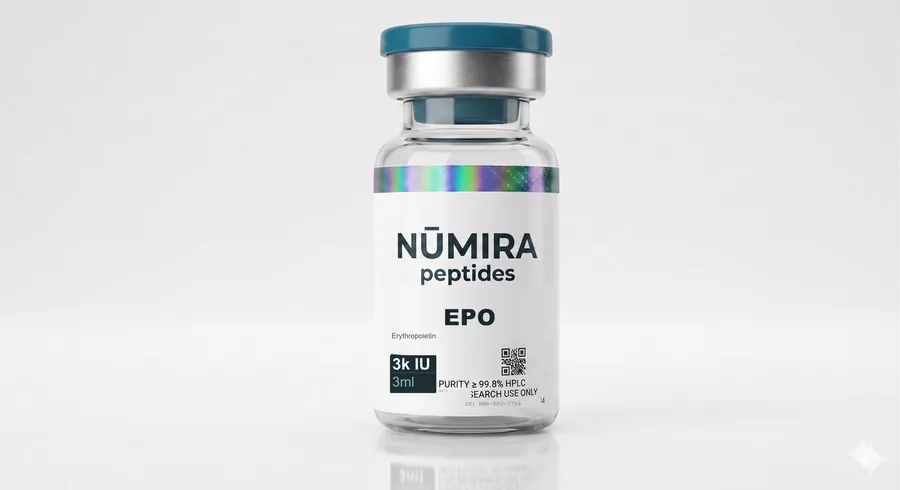
EPO (Erythropoietin) — Research Grade
3000 IU Vial · Recombinant Human EPO · High Purity · Domestic shipping
Shop EPO →